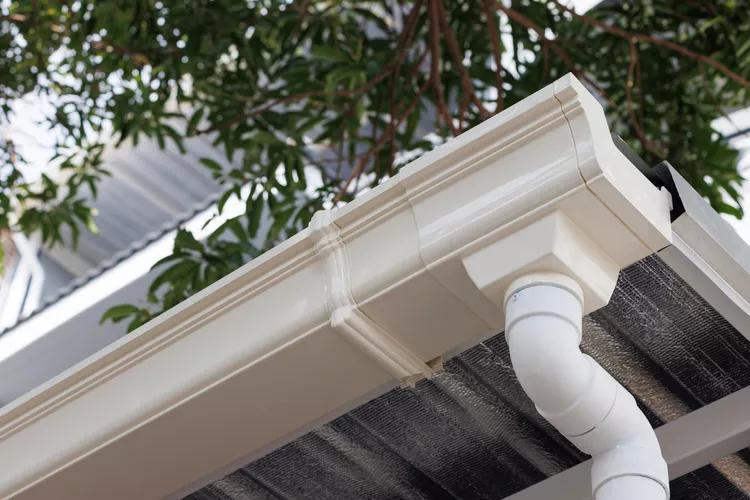
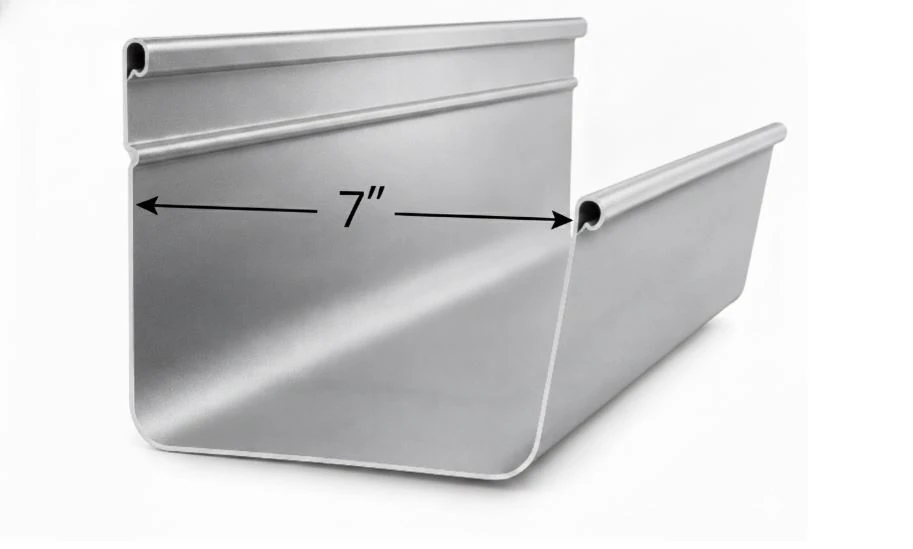
Choosing gutter material isn’t something most homeowners think about until they’re standing in a showroom or on the phone with a contractor who’s rattling off options they’ve never considered before. Aluminum, copper, vinyl, steel, zinc — suddenly a decision that seemed simple feels a lot more complicated.
Here’s the reality: material choice matters more than most people realize. It affects how long your gutters last, how much maintenance they demand, how they hold up against Long Island’s winters, and how they look on your home ten years from now. Getting it right upfront saves you real money over time.
This guide breaks down the four most common residential gutter materials — honestly, without the sales pitch.
Aluminum: The Workhorse of Residential Gutters
If you had to pick one material that dominates the residential gutter market across the United States, aluminum wins without much competition. Walk through any neighborhood in Smithtown or Kings Park and the overwhelming majority of what you’ll see on homes is aluminum. There’s a reason for that.
Why it’s so popular:
Aluminum strikes a balance that’s hard to beat at the price point. It’s lightweight, which makes installation straightforward and puts less stress on fascia boards over time. It doesn’t rust — a meaningful advantage in coastal and humid environments like Long Island, where moisture is a constant. It’s available in seamless form, meaning a contractor can fabricate continuous runs on-site to fit your home exactly, eliminating most of the joints where leaks tend to develop.
It also comes in a wide range of colors right from the factory — typically 30 or more options — so matching your trim or roofline is rarely a problem.
Cost-wise, aluminum sits comfortably in the mid-range. Not the cheapest option available, but far from the most expensive, and the performance-to-price ratio is genuinely strong.
Where it falls short:
Aluminum dents. A falling branch, a ladder leaned against it carelessly, or a heavy ice load can leave visible damage. Thicker aluminum — .032 gauge versus the standard .027 — holds up better, and it’s worth asking your contractor to specify the heavier gauge if it’s available. Thin aluminum gutters can also warp or pull slightly in extreme temperature swings, though this is more of a concern in climates with more severe winters than Long Island typically sees.
Lifespan: 20–30 years with proper maintenance Cost: $6–$12 per linear foot installed Best for: Most residential homes, homeowners wanting reliable performance without a premium price
Copper: The Premium Choice
Copper gutters are in a category of their own. They’re not for every home or every budget — but for the right property, they’re genuinely exceptional.
Why people choose copper:
The most obvious reason is appearance. Copper starts with a warm, bright metallic finish and gradually develops a natural patina — shifting through brown tones before eventually settling into the distinctive blue-green verdigris that historic buildings and upscale homes are known for. That aging process is a feature, not a flaw. It gives copper gutters a character and depth that no painted aluminum can replicate.
Beyond aesthetics, copper is simply built to last. A properly installed copper gutter system can function for 50 to 100 years with minimal intervention. It doesn’t rust, doesn’t need painting, doesn’t corrode from standard rainwater exposure, and holds its structural integrity through decades of seasonal temperature changes. On a historic home or a high-end build where longevity and authenticity matter, copper is difficult to argue against.
Copper is also fully recyclable, which appeals to homeowners thinking about long-term environmental impact.
Where it falls short:
The upfront cost is the obvious barrier. Copper gutters typically run three to five times the cost of aluminum, and installation requires experienced contractors who know how to work with the material properly — copper expands and contracts more than aluminum, which affects how it’s joined and mounted. Using the wrong fasteners or adjacent metals can cause galvanic corrosion, so details matter.
Copper also reacts to certain roof materials. If your home has cedar shakes or certain types of treated roofing, the runoff chemistry can affect how the copper ages. Worth discussing with your installer before committing.
Lifespan: 50–100 years Cost: $25–$40+ per linear foot installed Best for: Historic homes, high-end builds, craftsman or colonial styles, homeowners investing in a permanent solution
Vinyl: The Budget Option
Vinyl gutters are the most affordable option on the market, and they have a legitimate place — primarily for homeowners on a tight budget who need a functional system in the short term.
Why people choose vinyl:
The price point is the main draw. Vinyl gutter systems are inexpensive to purchase and easy enough to install that some homeowners tackle it as a DIY project, reducing costs further. The material is lightweight, doesn’t rust, and the color is molded through — meaning minor scratches don’t show raw metal underneath.
For a rental property, a shed, a garage, or a low-priority structure where long-term aesthetics and durability aren’t the top concern, vinyl can be a perfectly reasonable call.
Where it falls short:
Vinyl struggles in climates with real seasonal variation, and Long Island winters are a legitimate stress test for it. Cold temperatures make vinyl brittle — gutters can crack under ice load or even just from a hard knock in freezing weather. UV exposure causes fading and warping over time. Vinyl gutters also come in shorter sections that need to be joined together, and those joints are where leaks almost always develop.
The lifespan simply doesn’t compare to metal options. A vinyl system installed today may need full replacement in 10 to 15 years, sometimes less in harsh conditions. When you factor in replacement costs over time, the initial savings often disappear.
Vinyl also has fewer color and profile options, and it’s rarely available in seamless form, which limits both aesthetics and leak resistance.
Lifespan: 10–20 years (less in harsh climates) Cost: $3–$6 per linear foot installed Best for: Budget-constrained projects, temporary solutions, low-priority structures, mild climates
Steel: The Heavy-Duty Option
Steel gutters occupy an interesting middle ground — stronger than aluminum, more affordable than copper, but with a specific vulnerability that limits their appeal in certain environments.
Why people choose steel:
Steel is tough. It handles heavy snow loads, falling debris, and physical impacts better than aluminum or vinyl. For homes in heavily wooded areas where branches are a real hazard, or in regions that see serious ice accumulation, galvanized or stainless steel gutters offer a level of structural resilience that aluminum can’t quite match.
Stainless steel in particular is both strong and highly corrosion-resistant, making it a premium option that performs well in coastal and high-moisture environments.
Where it falls short:
Standard galvanized steel rusts. It has a protective zinc coating, but once that coating wears down — which it will, eventually — moisture gets to the steel underneath and corrosion begins. In a humid, salt-air environment like coastal Long Island, that process accelerates. Regular painting and maintenance can extend the lifespan considerably, but it adds ongoing effort that aluminum simply doesn’t require.
Stainless steel solves the rust problem but at a cost that rivals copper, which raises the question of why not just go with copper in the first place.
Steel gutters are also heavier than aluminum, which can put more stress on fascia boards and mounting hardware over time.
Lifespan: 20–30 years (galvanized); 50+ years (stainless) Cost: $9–$20 per linear foot installed (galvanized); higher for stainless Best for: Heavy snow or debris environments, homeowners prioritizing impact resistance, properties where structural durability outweighs maintenance considerations
Side-by-Side Comparison
| Feature | Aluminum | Copper | Vinyl | Steel |
| Lifespan | 20–30 yrs | 50–100 yrs | 10–20 yrs | 20–50 yrs |
| Cost (installed) | $6–$12/ft | $25–$40+/ft | $3–$6/ft | $9–$20/ft |
| Rust Resistant | Yes | Yes | Yes | Partially |
| Maintenance | Low | Very Low | Low–Moderate | Moderate |
| Seamless Option | Yes | Yes | Rarely | Yes |
| Color Options | Wide | Natural patina | Limited | Moderate |
| DIY Friendly | Moderate | No | Yes | No |
| Best Climate Fit | All climates | All climates | Mild only | Cold, heavy snow |
How to Choose: A Simple Framework
Go with aluminum if you want a reliable, low-maintenance system at a reasonable price. It handles Long Island’s weather well, comes in seamless form, and will serve most homes for 20 to 30 years without much fuss. For the majority of homeowners, this is the right answer.
Go with copper if you’re investing in a historic or high-end home and want a system that will outlast every other component on your exterior. The upfront cost is real, but so is the payoff — both in longevity and in curb appeal.
Go with vinyl only if budget is the hard constraint and you’re working on a low-priority structure. For a primary residence in an area with actual winters, the long-term math rarely works in vinyl’s favor.
Go with steel if your property has specific conditions — heavy tree canopy, serious ice loads, or a history of physical damage to gutters — where aluminum’s lighter construction isn’t quite enough.
One Last Thing Worth Knowing
Whatever material you choose, installation quality matters as much as the material itself. A seamless aluminum system installed by an experienced contractor will outperform a copper system installed carelessly every single time. Ask about gauge thickness for aluminum, ask about fastener compatibility for copper, and always request seamless fabrication when it’s available.
The material sets the ceiling. The installation determines whether you actually reach it.
GutterBro works with all major gutter materials and serves homeowners throughout Smithtown, Suffolk County, and surrounding Long Island communities. Whether you’re weighing aluminum against copper or trying to figure out if it’s time to replace what’s already there, we’ll give you a straight answer based on your home — not a sales script.